Anxiety Disorder: Symptoms, How to Get Rid of Anxiety
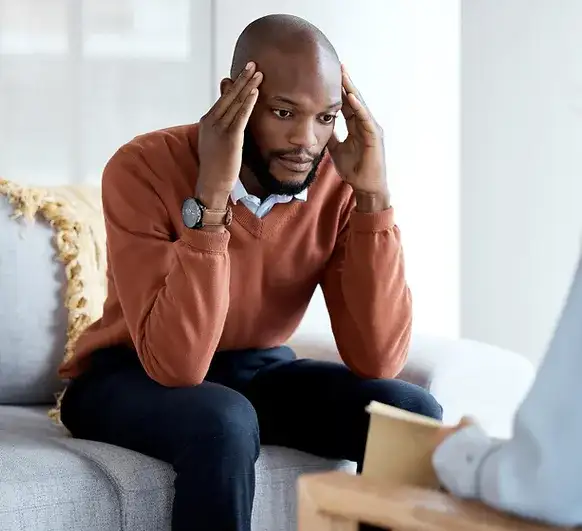 |
Picture Source: Reliant Family Psychiatry |
Anxiety is the body's natural response to stress. A feeling of fear, uncertainty, or a premonition of something bad that is accompanied by mental discomfort. Everyone has experienced anxiety to some degree or another at certain moments. For example, many of us feel anxious before starting a new job or performing in public.
But sometimes the experience and anxiety are very strong, and do not leave a person most of the time, significantly worsening the quality of life. If such an anxious state lasts for at least six months, then this may indicate the presence of a disorder.
What Is Anxiety Disorder?
It's normal to feel anxious about moving, changing jobs, or taking an exam. This type of anxiety isn't pleasant, but it can motivate you to work more effectively. A feeling of anxiety that does not go beyond the norm, appears and disappears without interfering with living a normal life.
In anxiety disorder, the feeling of unreasonable fear is present constantly or very often. It is intense and exhausting.
This type of anxiety disorder deprives its victim of freedom of action. In severe cases, it can prevent them from performing normal daily tasks: getting into an elevator, crossing the street, or even going outside. Without treatment, anxiety will only get worse.
Anxiety disorders are the most common type of mental disorders. Every person at any age suffers from them.Women are diagnosed with such disorders more often than men.
Types of Anxiety Disorders
Feelings of anxiety and unreasonable fear are found in the symptoms of several disorders:
Panic - recurring sudden panic attacks. A person with panic disorder may be in constant fear of having another panic attack.
Phobia is an excessive fear of a certain object, situation, or activity.
Social anxiety disorder is an intense fear of being judged by others in social situations.
Obsessive-compulsive disorder is a recurring irrational anxious thought that causes a person to perform certain, repetitive actions in order to get rid of discomfort.
Separation anxiety disorder is the fear of being far away from home and loved ones.
Post-traumatic stress disorder (PTSD) is a persistent anxiety state after a traumatic event, uncontrollable memories of it, inadequate emotional reactions to triggers - phenomena that are associated with the trauma or remind of it, sudden outbursts of anger, fear, anxiety.
Symptoms of anxiety
Anxiety in the soul is felt differently depending on the person who suffers from it. Subjective sensations vary from discomfort in the solar plexus and excitement to unreasonable fear and tachycardia.
Sometimes, a person loses control over himself, as if the connection between the mind and body is broken. A severe degree of such a gap is called depersonalization or derealization. This is a protective reaction to severe stress, but sometimes such phenomena can be symptoms of serious mental illnesses.
Other symptoms of anxiety include nightmares, panic attacks, painful unpleasant thoughts that cannot be gotten rid of. Sometimes the feeling of unreasonable fear and anxiety is associated with certain places or events, and sometimes it is general. So, general anxiety symptoms include:
Increased heart rate
Rapid breathing
Feeling of anxiety
Problems with concentration
Difficulty falling asleep
Anxiety symptoms are individual and can be completely different from person to person. It is advisable to know all possible types so as not to miss the moment when it is time to see a doctor.
Panic attack
A panic attack is a feeling of overwhelming anxiety, worry, unreasonable fear, panic. For many people, the latter increases as a stressful event approaches. Panic attacks and their symptoms can vary greatly from person to person. The most common symptoms of panic attacks include:
Weakness
Dizziness
Dyspnea
Dry mouth
Sweating
Chills or hot flashes
Fear or anxiety
Panic
Grief
Unreasonable fear
Numbness or tingling in different parts of the body
Fear of death
A panic attack and an anxiety attack share some symptoms, but they are not the same thing.
You can find out how to calm down, remove anxiety and quickly stop a panic attack at a consultation with a psychologist. He will be able to develop an effective treatment for panic attacks for you.
There are special exercises for anxiety and techniques that help distract you from the all-encompassing feeling of fear. With panic attacks, medications can also help. Medicines can be combined with exercises for a better effect.
A characteristic feature of a panic attack is its short duration. Anxiety and unreasonable fear are very intense and painful, but such an attack lasts no more than 20 minutes.
What are the causes of anxiety?
Researchers are not sure what causes anxiety, but they believe a combination of factors may play a role. These include genetic predispositions, environmental conditions, and brain chemistry.
Scientists suggest that anxiety disorders are caused by disturbances in the areas of the brain that are responsible for controlling fear. Current research is aimed at a more in-depth study of these areas.
Is there a test for anxiety?
It is impossible to diagnose pathological anxiety with just one test. To do this, it is necessary to be observed by a psychologist or psychiatrist for a long time, and also to assess physical and mental health using special questionnaires.
In some cases, it is recommended to undergo a series of examinations and tests. This is necessary in order to exclude the possibility of somatic diseases that provoke symptoms.
For example, morning anxiety is often associated with problems with the adrenal glands, and constant tension and increased situational anxiety are associated with problems with the thyroid gland.
There are several anxiety tests and scale options that can be used to determine the severity of the problem, which can help a specialist assess the condition and make a correct diagnosis.
Anxiety: Treatment
Once the diagnosis is made, the doctor will prescribe treatment. It may vary depending on individual factors. Can anxious personality disorder go away on its own? And can anxiety disorder go away on its own with treatment?
Some people do not need special therapy. It is enough to change their lifestyle so that the symptoms of anxiety go away. In moderate and severe cases, treatment will help eliminate discomfort and improve the quality of life. Treatment of anxiety includes two directions:
Psychotherapy and
The use of medications.
It is important to consult with a psychiatrist to determine which strategy is appropriate in a particular case.
Medication for anxiety usually involves the use of antidepressants and sedatives (calming agents). These help balance the biochemical processes in the brain, preventing attacks and the development of severe symptoms.
How to Fight Anxiety and Fear Naturally?
Sometimes, lifestyle changes are effective in eliminating anxiety without a reason. Most natural treatments involve taking care of your body, living a healthy lifestyle, and giving up bad habits. Constant feeling of anxiety: how to get rid of anxiety with lifestyle changes? Try following these rules:
Healthy sleep in sufficient quantity
Meditation
Physical activity and sports
Healthy eating
Avoiding alcohol and caffeine
Quitting smoking
Feelings of anxiety and depression
If you have generalized anxiety disorder, don't rule out depression. Although these mental health conditions can occur separately, they often coexist, sometimes as anxiety-depressive disorder.
Is an incomprehensible anxiety constantly ruining your life?
It may not just be a problem on its own, but a symptom of clinical depression or major depressive disorder. Likewise, worsening depression symptoms are sometimes caused by an anxiety disorder.
Both conditions are controlled by the same treatment methods: psychotherapy, medications, changing habits. Anti-anxiety pills, even like Corvalol or other folk remedies, cannot be prescribed to yourself. They should be prescribed to you exclusively by a doctor.
How to Eliminate Anxiety and Fear in Children?
Anxiety is a common and natural phenomenon among children. One in eight people experiences anxiety from an early age. As children grow and adopt the behavior patterns of their parents, friends, teachers, their self-soothing skills also develop. They begin to understand how to get rid of anxiety and unreasonable worries.
Sometimes, anxiety in children becomes chronic, and emotional reactions to stimuli become very acute.
Children of anxious parents may have problems with coping mechanisms. Uncontrollable anxiety begins to interfere with daily activities. Anxious children sometimes avoid communication with their peers or family members. Anxiety disorder symptoms in children:
Nervousness
Irritability
Insomnia
Feeling of fear
Shame
Desire to isolate
How to Cope with Anxiety in Children?
For the treatment of the youngest patients, cognitive behavioral therapy (CBT) and, in some cases, medications are used.
How to quickly relieve anxiety and fear in teenagers?
Teenagers have enough reasons to worry. Exams, school, first love and hormonal changes - these factors affect their emotional stability. But for some, the process gets out of control and anxiety disorders develop. Anxiety in adolescents includes symptoms such as:
Restlessness
Shyness
Svoidant behavior, and
Self-isolation.
Some teenagers suffer from depression. Which is accompanied by anxiety. Some teenagers suffer from depression, which is accompanied by anxiety. The most common treatments for anxiety in teens are talk therapy and medication. They also help relieve symptoms of depression.
Anxiety and stress
Stress and anxiety are two sides of the same coin. Stress is the result of stress on the brain or body. It accompanies an exciting event or activity. Anxiety can be a reaction to stress, but sometimes it occurs without any obvious factors influencing it.
How do anxiety and stress manifest themselves? They are often expressed by both physical and psychological symptoms. Here are their most common signs:
Headache
Stomach pain
Rapid heartbeat and/or breathing
Sweating
Dizziness
Nervousness
Muscle tension
Panic
Irritability
Difficulty concentrating
Unreasonable anger
Excitement
Sleep disorders
Stress and anxiety aren't always bad. Sometimes both can be a trigger for task completion and solution-seeking. This is due to the short-term effects of stress hormones on mental processes and motivation.
But if anxiety in the soul is a constant phenomenon, it worsens the quality of life. Hormones and neurotransmitters that are produced in this case have a destructive effect on the body.
Depression and constant anxiety without treatment cause chronic problems, including cardiovascular diseases, endocrine system disorders. Autoimmune disorders, frequent infections and inflammations due to decreased body defences also arise from mental pressure.
Anxiety and Alcohol
When wondering how to quickly eliminate anxiety, some people come to the solution of the problem with the help of alcohol. Because it helps to relax, reducing the activity of the central nervous system and acting on the same brain mechanisms that tranquilizers affect. At first glance, this may seem like an effective way to relieve tension. But it's a bad idea.
Firstly, alcohol depletes magnesium and B vitamins. Ultimately, this only increases anxiety, carries the risk of additional mental disorders, and affects the autonomic nervous and cardiovascular systems.
Secondly, some people with anxiety disorders are prone to excessive use of alcohol and other psychoactive substances. This carries the risk of addiction.
People who suffer from alcohol or drug addiction should first solve these problems. Then, anxiety treatment will lead to better results.
How to Remove Anxiety and Fear with Nutrition?
Medication and talk therapy are the standard treatment for problems with unexplained anxiety. Getting enough sleep and regular exercise can also help. Some studies suggest that nutrition can help, too. Here are some food to reduce anxiety:
Salmon
Chamomile
Turmeric
Dark chocolate
Yogurt
Green tea
Forecast
In mild form, worries and fears often go away on their own with a change in lifestyle. But anxiety disorders can be treated even in severe cases. For this, psychotherapy and medications are suitable, thanks to which a person adapts and can live a full life.
To choose the appropriate method of therapy, it is better to consult a professional psychologist.


Comments
Post a Comment